8 hr
Cocora Valley Guided Day Tour from Salento
Trek among the world's tallest palms in Colombia's iconic Cocora Valley, guided by local experts.
Reserve
Hand-picked by our editors — only the best 5 experiences from 40 reviewed.
Verified partners for every tour, free cancellation where available, and instant confirmation on every booking.
8 hr
Trek among the world's tallest palms in Colombia's iconic Cocora Valley, guided by local experts.
Reserve
8 hr
Hike through towering wax palm forests, tour a working coffee farm, and explore charming Salento in one full day.
Reserve
10 hr
Hike iconic wax palm valleys and discover Colombian coffee culture on this private full-day guided adventure.
ReservePrices from verified partners. Availability updates in real time at checkout. Free cancellation policies apply where shown.
The landmarks, rooms, and views travelers on this tour remember — all visible on a single visit.
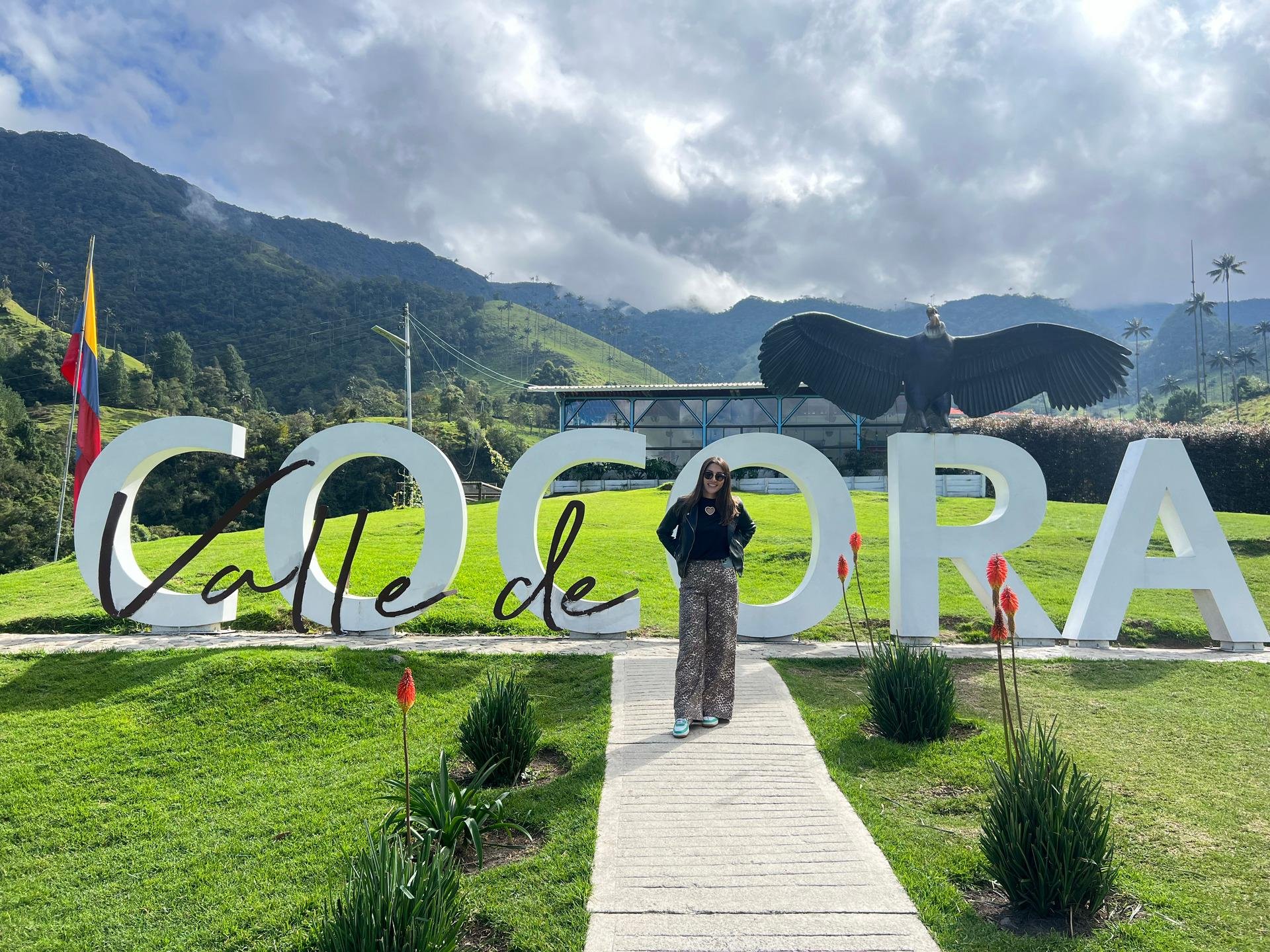
Home to the tallest palm trees in the world reaching up to 60 meters. This iconic landmark defines the visual character of the valley.
They complement each other; most visitors who do both call the wax palm trail the more physically engaging choice, while the coffee excursion offers superior agricultural immersion. Exploring these Salento landmarks requires balancing active cloud forest exploration with traditional farming customs.
| Feature | Top pick Coffee Tour | Wax Palm Hiking |
|---|---|---|
Physical Demand |
Low sedentary activity | High steep mountain terrain |
Educational Depth |
High cultural knowledge | Low environmental observation |
Time Commitment |
2–4 hours | 3–6 hours |
Transportation Requirements |
Private shuttle or jeep | Shared Willys jeep |
Guided vs. Self-Paced |
Structured professional guide | Independent self-paced movement |
| See tickets → |
Verdict: If you seek an active day among iconic wax palms, prioritize hiking, whereas selecting a cocora valley coffee tour tour provides a deeper look into local agricultural heritage.
Choose your ticket, select your date, and reserve in under two minutes. Secure checkout handled by our verified partner.
Instant confirmation by email, with a mobile voucher you can save offline. No printing, no queuing at a collection desk.
Arrive at the entrance, show your voucher on your phone, and walk in. Most tickets include priority or skip-the-line access.
Practical details for your visit straight from our verified partners — hours, access, rules, and how to get there.
Valle de Cocora trail head
Look for the park ranger station
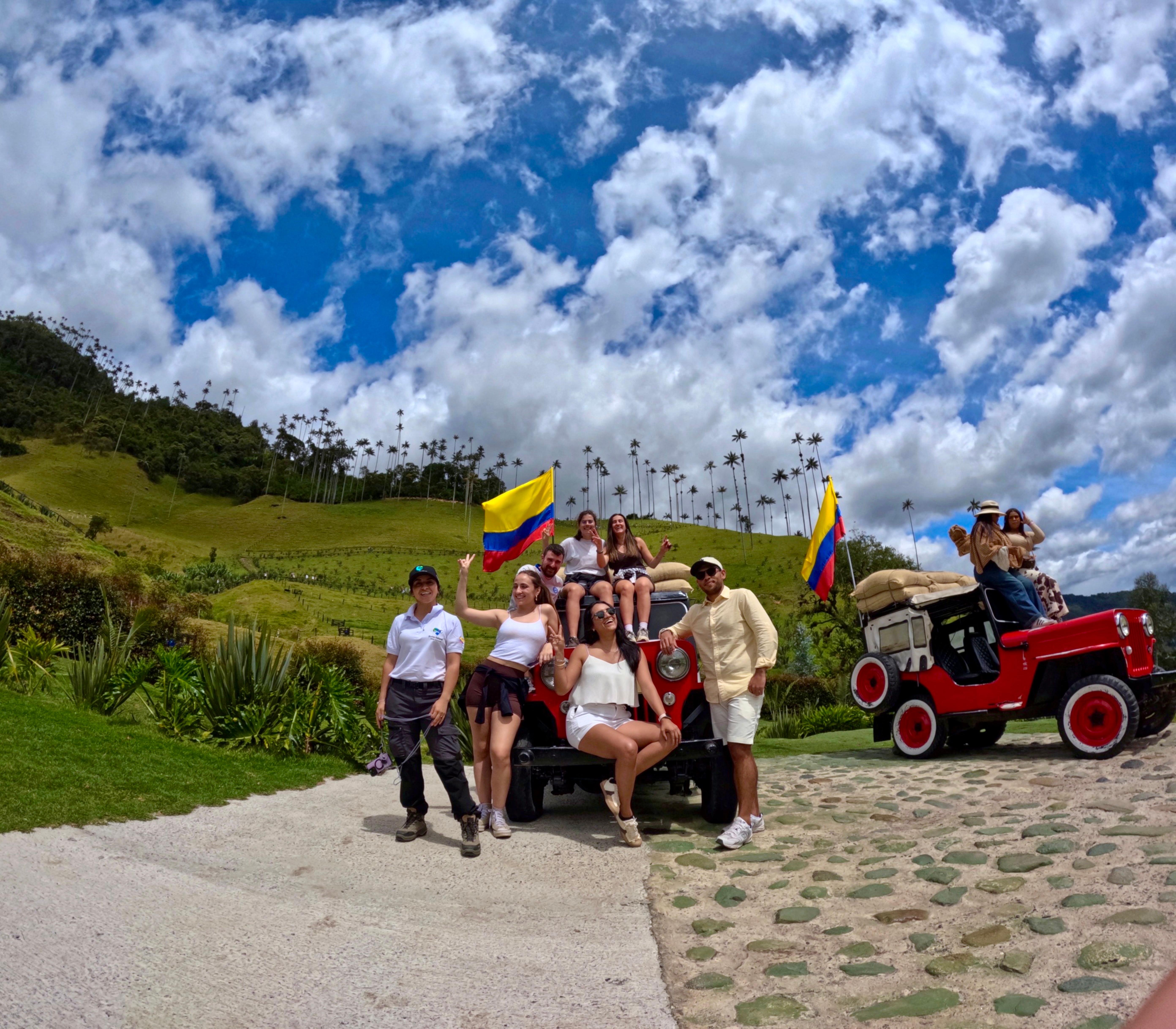
Willys jeeps depart from Salento main square regularly.
Wear sturdy, waterproof hiking boots suitable for muddy paths. Layered clothing is essential as temperatures drop in the higher elevations of this Salento landmark.
Carry a lightweight daypack for personal items. No lockers are provided at the cocora valley coffee tour site, so keep valuables secure on your person.
Tripods are permitted but must not block narrow trail sections. Respect the natural habitat while capturing images of the iconic wax palms during your cocora valley coffee tour.
The trail network consists of natural, uneven earth paths and steep inclines. It is not suitable for strollers or visitors with limited mobility.
Cellular reception is inconsistent throughout the valley. Download maps offline before starting your cocora valley coffee tour.
Children should be supervised at all times due to uneven terrain and hanging bridges. Engaging in a family cocora valley coffee tour requires preparation for active walking.
Carry sufficient water and snacks, as facilities are limited along the main loop. Several cafes near the entrance serve refreshments after your cocora valley coffee tour.
Pets are generally discouraged on the main hiking trails to protect local wildlife. Ensure compliance with current park ranger regulations regarding animals.
The cocora valley coffee tour operates in a high-altitude cloud forest environment. Always check local weather forecasts before departing from Salento.
Best time to go, insider tips, nearby landmarks, and the cancellation fine print — flip through to skim what matters to you.
How crowds, weather, and events shift across the year.
August offers cooler, drier conditions suitable for outdoor activities. Mornings between 07:00–09:00 provide the best visibility for the wax palms.
Small details that turn a good visit into a great one.
Visit during the dry season to minimize trail mud.
Non-bookable sights within a short walk — free to visit, easy to pair.
Famous for hummingbird sightings and mountain views.
Flexible, no hidden fees.
Cancellation terms depend on the specific provider booked via our platform. Please check your confirmation email for the refund window regarding the 20,000 COP conservation fee.
Hand-picked options within walking distance — pick a district for vibe, or a specific hotel for convenience.
Convenient access to jeep transport.
Colombia's national tree grows to sixty metres, higher than any other palm on earth, and it grows almost nowhere but here. The wax palm, Ceroxylon quindiuense, was declared the national symbol in 1985, at a point when its groves had been thinned for church processions and cattle pasture. Protection followed. The Valle de Cocora, a cloud-forest corridor on the western flank of Los Nevados National Natural Park, now shelters the densest surviving stands. The name comes from Quimbaya, the language of the people who farmed these ridges before the Spanish arrived; it is usually translated as "star of water." The translation is apt. Rain reaches the upper valley on more than two hundred days a year, and the cloud that gathers by early afternoon is the same moisture that feeds the Quindío River below. That climate explains the second crop for which the region is known. Salento sits at roughly 1,895 metres, within the Coffee Cultural Landscape inscribed by UNESCO in 2011, where arabica ripens slowly and picks are still made by hand across steep, terraced fincas. A cocora valley coffee tour joins the two histories — the palms above, the coffee below — because in Quindío they were never separate. Salento itself was founded in 1842 along the Camino Nacional, the mule road cut between Ibagué and the Cauca valley. Its Calle Real still carries the balconied bahareque houses of that period: cane-and-mud frames, lime render, shutters painted in the saturated blues, ochres and greens that became the visual signature of the coffee axis. Prisoners building the road were the town's first settlers. Coffee arrived later, through the Antioquian colonisation that pushed south with seedlings, oxen and land claims. What remains is a working landscape rather than a preserved one. Cattle still graze beneath the palms. Smallholders still process cherries in patios behind their houses, and the wet mills, drying beds and cupping tables that Valle de Cocora tours from Salento visit belong to families, not museums. The cloud forest above holds spectacled bears, mountain tapir and some three hundred bird species, among them the yellow-eared parrot that nests only in wax palms and was once thought extinct. Conservation of the valley, funded through the 20,000 COP entrance fee at the main gate, is what allows a cocora valley coffee tour to exist at all. The palms outlive everyone who walks beneath them; a mature specimen can stand for over a century.

"The palms outlive everyone who walks beneath them."
A step-by-step walkthrough of the visit — what you'll see, how long each stage takes, and the details that matter.
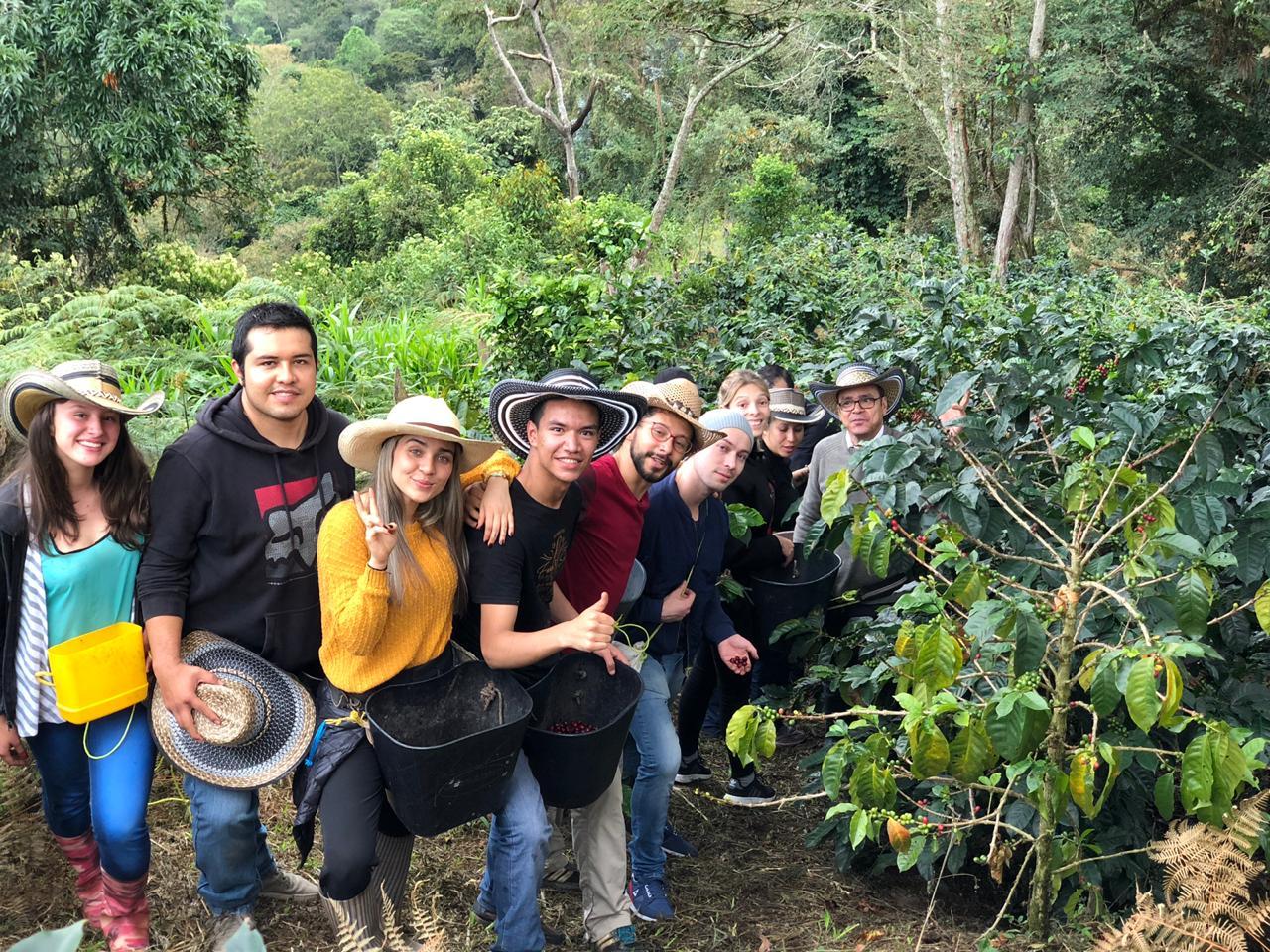
You leave Salento's Plaza de Bolívar early, ideally between 07:00 and 09:00, when the ridgelines are still sharp and the willys jeeps are loading. The road drops eleven kilometres east. At the main entrance you pay the 20,000 COP conservation fee in cash — no cards, so bring notes — and the gate opens onto pasture where the first wax palms stand alone, absurdly tall, like masts left behind by a vanished fleet. The trail crosses the Quindío River on six suspension bridges, each a plank-and-cable affair that sways underfoot. You climb through cloud forest thick with bromeliads and tree ferns. Boots matter here; the clay holds water. At the Acaime reserve you stop, hand over a small fee, and drink hot aguapanela with cheese while hummingbirds feed inches from your shoulder. Then the ascent to the Mirador, and the payoff: the whole palm valley below, arranged like a colonnade. Afterwards a cocora valley coffee tour typically turns downhill to a working finca. You pick cherries into a canasta strapped at your waist, watch the depulper strip the fruit, smell the ferment tanks, then cup what the farm roasted last week. Horseback options cover the same ground at a different pace.
The site is open daily from 07:00–18:00.
The 20,000 COP conservation fee is a separate charge paid at the entrance.
We recommend starting between 07:00–09:00 to avoid afternoon fog.
There is no strict age limit, but the trails are physically demanding.
Yes, private options are available through selected operators.
The trail includes steep sections and is considered moderate to difficult.
Yes, the 20,000 COP entrance fee must be paid in cash.
Tripods are allowed, provided they do not obstruct other visitors.
Trails become muddy, so waterproof gear is highly recommended for your cocora valley coffee tour.